Join Stow's Pollinator Garden Pathway
Summary: Pollinator Pathway
Description
Let’s create a Pollinator Pathway in Stow!
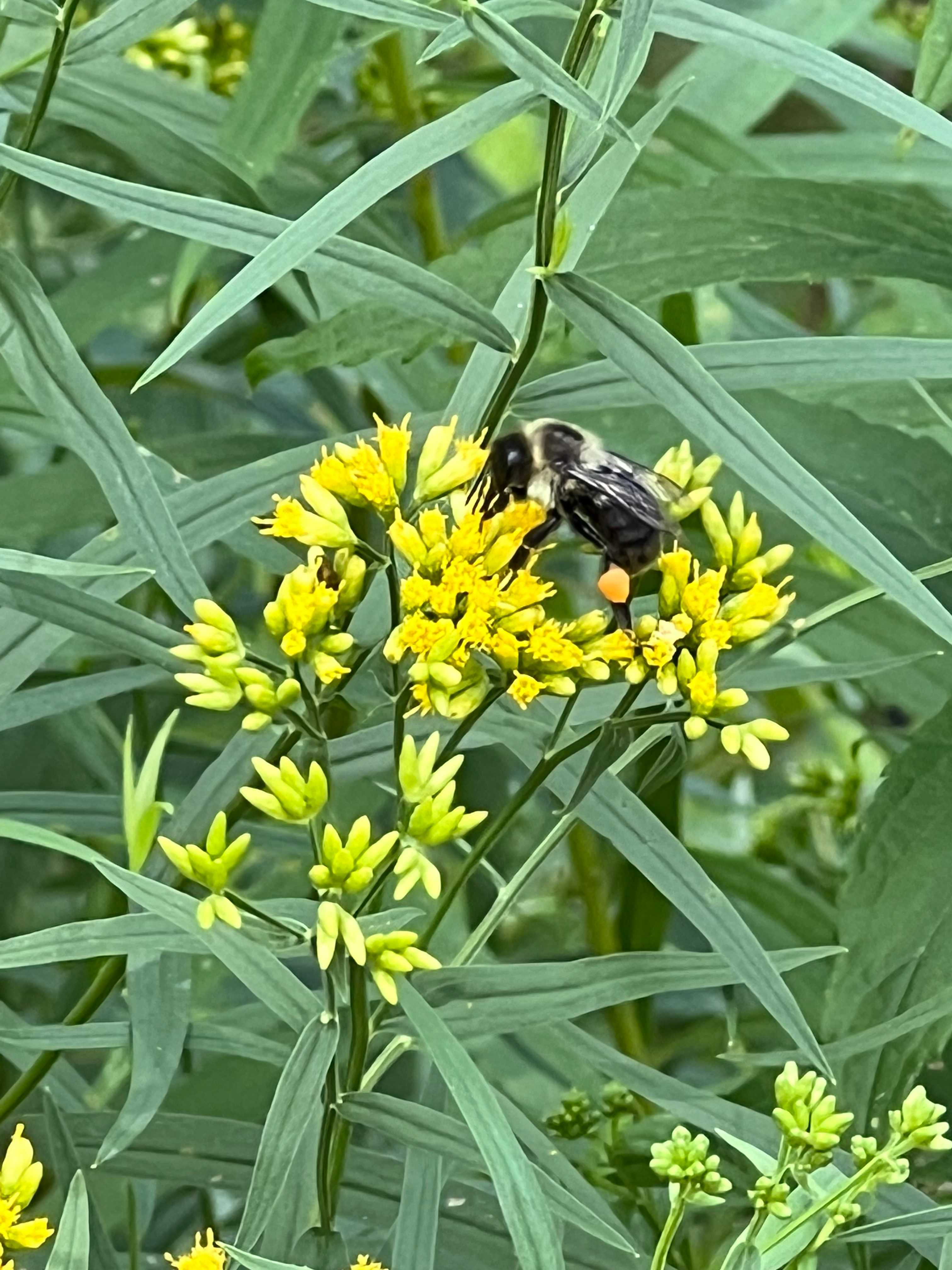
Pollinator pathways are “pathways” or “corridors” of native plant gardens that enable pollinators to find the habitats, plants, and mates they require. Locations planted with New England natives need to be close enough to each other for pollinators to easily travel from site-to-site.
Stow is just getting started at creating pollinator pathways. A pollinator pathway can include both public and private lands. Stops along the pathway can be a garden box, a grassy strip alongside a road, a garden in your yard, a patch of native shrubs or trees, or a meadow. Once you click the Pollinator Pathway action as "Done," we will contact you to locate your native pollinator garden on our town map. This will help us determine where the empty spaces in the "pathway" are, and then encourage residents to create gardens to fill those spaces.
The more native gardens we create, the healthier our town environment will be for pollinating insects. An additional bonus to having a pollinator pathway in Stow is that more pollinators means more birds. More pollinating plants equals more seeds for birds and wildlife to eat. More birds equals less ticks and mosquitos.
Why is this important? According to the Center for Biological Diversity, more than half of North America's 4000 native bee species are in decline, with 1 in 4 species at risk of extinction. The decreased pollinator population, including other species besides bees, has impact on animals that feed on them, such as birds, amphibians, and small mammals, as well as impacts on our food supply.
Fourteen towns in Massachusetts have already created designated pollinator pathways. These include Amherst, Andover, Boston, Brookline, Cape Cod, Dover, Marblehead, Monterey, Town of North Andover, Pepperell, Plymouth, Sherborn, Somerville, and Wellesley.
Let’s join them!
Deep Dive
In Massachusetts, we consider all the plants that grew here prior to European colonization to be native. Urban and suburbanization has led to a decrease in the number of native plants and the diversity of plants necessary for pollinators to thrive, creating pollinator wastelands. These “wastelands” are food deserts for pollinators, such as wild bees, butterflies, and beetles, and have led to their decline.
Pollinators and native plants share a symbiotic relationship; pollinators thrive by feeding on native plants, and in return, help plants reproduce by pollinating them. Most pollinators require specific plants for food, so a diversity of native plant species is important for keeping populations at healthy numbers. Many of the flowers, grasses, and shrubs you can purchase are not native to Massachusetts, and generally do not provide habitat and food for native pollinators.
Native plants are good for pollinators, because the two have evolved together over millions of years and depend on each other to survive. Larvae eat leaves, and pollinators feed on nectar and pollen, and also transfer. pollen to flowers, shrubs and trees. To learn more about why pollination and pollinators are important, go here: USDA.gov
To learn more about pollinator pathways and how far pollinators can fly to find food, go here: https://storymaps.arcgis.com/stories/406b3f62a5fb4b53a1dbaca4f53b200d
Go here for lists of native and invasive plants, and other interesting information:
https://grownativemass.org/Great-Resources/databases
Go here to learn more about plants native to Massachusetts:
https://www.massaudubon.org/nature-wildlife/plants/native-beneficial-plants
Go here to learn why lawns are a problem for habitats:
https://www.pollinator-pathway.org/rethink-your-lawn
One third of our flora in New England consists of non-native plants. Ten percent of these are invasive: Native Plant Trust
Go here to learn more about invasive plants:
https://www.nativeplanttrust.org/conservation/invasive/
https://www.massaudubon.org/nature-wildlife/invasive-plants-in-massachusetts
Check out these talks on native plants from the Randall Library/Sustainable Stow Climate Talks. Select https://www.youtube.com/@StowTVNow/playlists then select the Sustainable Stow playlist to access the following talks:
Gardening with Intent
Gardening with Native Plants part 1
Gardening with Native Plants part 2
Steps to Take
Many of the steps below are paraphrased from Ecological Landscape Alliance https://www.ecolandscaping.org/,
Pollinator Pathway Northeast https://www.pollinator-pathway.org/, and The U.S. Department of Agriculture-The Importance of Pollinators https://www.usda.gov/peoples-garden/pollinators.
The following steps can help you determine what works best for creating a part of Stow’s Pollinator Pathway on your property. You don’t have to do all of these in one go. You can choose to start small with one part of your garden one year and make additional changes in following years:
Step 1. Walk your property and determine which part of it you want to keep for family or social activities, and where you can create pollinator gardens. Decide whether you want to plant in garden boxes, replace non-natives in your garden with native plants, create a meadow, or allocate an area for native shrubs or shade trees. Curb strips alongside a road can also make good pollinator gardens.
Step 2. Identify what parts of your property are sunny, partially shady, and in full shade.
Step 3. Are there dry areas that will need watering, or wet or marshy areas that will need special plants or attention?
Step 4. Identify and remove or cut back invasive plants on your property. You do not have to do this in one go but should eventually eliminate all invasive plants. See the Deep Dive for a list of Massachusetts’s invasives.
Step 5. Choose a diversity of native plants, to provide habitat and food for a diversity of pollinators. Many pollinators are healthier when there is a diversity of flowers for them to visit. See the Deep Dive for lists of Massachusetts native plants.
Step 6. Plant straight native species. Hybrids are not as resilient as straight species and may not have the exact pollen, etc., that bees and other insects need.
Step 7. Plant a continuous food supply. Make sure you have at least 3 different species throughout the spring, summer, and fall seasons to provide adequate food when pollinators emerge from and prepare for winter hibernation. Plant in groupings (clumps) of each plant species for a greater impact. See: The U.S. Department of Agriculture-The Importance of Pollinators https://www.usda.gov/peoples-garden/pollinators
Step 8. Limit your use of pesticides or chemical fertilizers on your properties—go organic. A healthy environment will support a balanced number of pollinators, and is healthier for humans, too.
Step 9. Other things you can do to help pollinators include mowing your lawn higher and less often, leaving your garden messy in the fall, so insects have places to overwinter and lay eggs, and avoid buying plants that have been exposed to neonicotinoids that kill insects.
Step 10. If you have already planted a pollinator garden, please write a testimonial in the Testimonials section of the website! Let us know what type of garden, and which pollinators your have seen in it.
· Spread the word to your neighbors!
Feeling overwhelmed? You can start small with planter boxes, or a small garden bed, both of which are easy to maintain. Each year you can add to your garden and remove more invasives. Often gardening involves trial and error. If some plants don’t succeed in your garden, try replacing them with other natives the next year.
- All Actions